
How one US city’s cap on Airbnb and short-term rentals had knock-on effects on home prices and its property market
Airbnb has changed the face of the rental market since it launched in 2008, making it much easier for homeowners to rent out spare rooms or entire houses. But in the years since, cities have started to notice the downside of so much housing stock turning into short-term rentals.
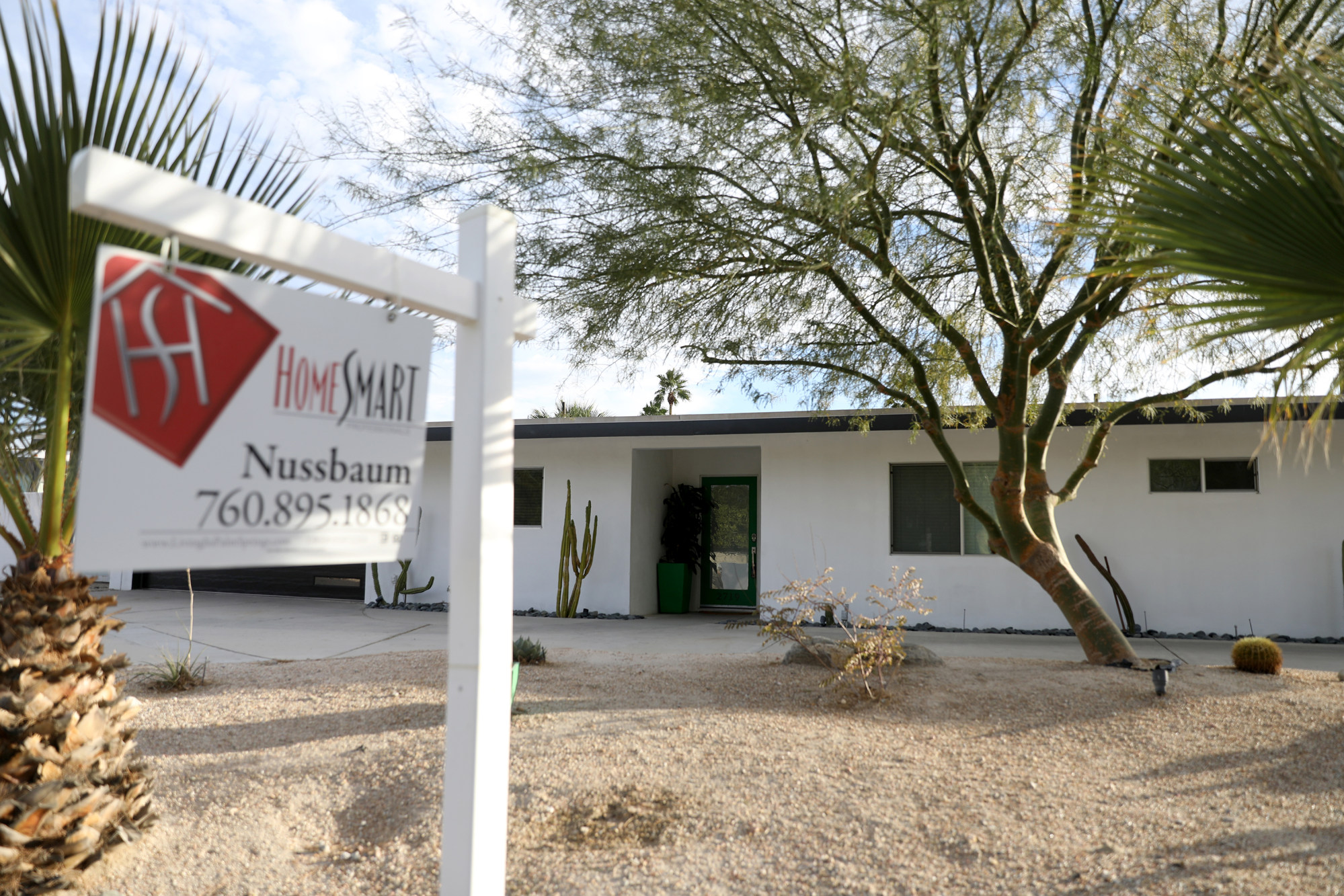
Activists argue Airbnbs remove affordable housing from the market. Residents complain that the influx of tourists leads to loud, late-night parties and lowers a place’s neighbourly ambience.
Disputes between hosts and renters lead to much drama and months-long courtroom clashes.
As a result, some cities are limiting short-term rentals, and each one seems to have a different strategy.
In the United States, New York allows rentals only if the host remains present in the unit for the entire stay.
Los Angeles adopted the Home Sharing Ordinance, a regulatory framework which requires a license that allows rentals of primary residences for a maximum of 120 days per calendar year.
‘Weirdos wandering the corridors’: Penang bans Airbnb and other short lets
‘Weirdos wandering the corridors’: Penang bans Airbnb and other short lets
Palm Springs, a city dependent on tourism, tries to preserve its local identity in the era